 By
By Understanding the Insidious Nature of Water Leaks
The Science Behind Water Movement: How Leaks Go Undetected
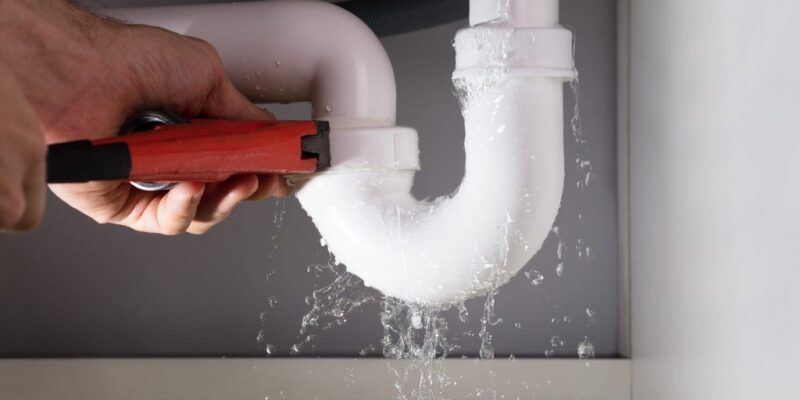
Water, in its various forms and states, is a fundamental resource that plays a crucial role in our daily lives. However, its movement through plumbing systems often goes unnoticed until significant damage has occurred. Understanding the science behind water movement is key to recognizing how and why leaks can remain undetected. Water travels through pipes under pressure, and even minor imperfections in these systems can lead to seepage. The nature of water itself, combined with the construction of typical plumbing systems, makes leaks extremely insidious. For example, while a visible drip from a faucet is easy to notice, slow leaks often arise from small cracks or fittings that are concealed within walls or underground. These leaks may drip just a few drops per minute, allowing time for mold growth and structural damage to occur before the homeowner becomes aware of the issue. Utilizing an understanding of fluid dynamics, it is crucial for homeowners to actively monitor their plumbing systems and be aware of their surroundings, especially in areas prone to moisture like basements and under sinks.
The Hidden Costs of Water Leaks: More than Just a Utility Bill
Many homeowners are acutely aware of the direct costs associated with water leaks, such as increased utility bills. However, the hidden costs can far exceed just the monetary aspect. Water leaks can lead to extensive property damage that may require costly repairs or replacement of structural elements, insulation, and cabinetry. Moreover, leaks can contribute to the growth of mold and mildew, which can not only damage the health of the property but also affect the inhabitants’ health, potentially leading to respiratory issues or allergic reactions. This underlines the importance of addressing leaks not just from a financial viewpoint but also from a health and safety perspective. Insurance implications often arise from water damage, with many policies requiring proof of regular maintenance; failure to detect and repair leaks promptly may result in denied claims. This cumulative understanding of the hidden costs associated with water leaks emphasizes the necessity for proactive detection methods.
Spotting the Signs: Symptoms Your Home Might Show
Awareness and vigilance are crucial when it comes to spotting leaks in your home. Symptoms of a water leak can manifest in a number of ways that may not always be immediately obvious. One of the most salient signs is the presence of unexplained water stains on ceilings, walls, or floors, which may suggest that water is seeping in from a nearby source. Peeling or bubbling paint, and unusual changes in floor height or sagging, can be strong indicators of moist conditions created by unseen leaks. Unusually high water bills that don’t correlate with usage may also signal leaks, as well as unexpected changes in water pressure. Homeowners often overlook more subtle signs, such as the smell of dampness or the presence of mold. Regular inspections and a keen eye for these symptoms can play a pivotal role in early leak detection, saving homeowners from more severe consequences down the line and providing peace of mind regarding their property.
Technological Advances in Leak Detection: A New Era
From Acoustic Sensors to Infrared Cameras: Tools of the Trade
The quest for effective leak detection has led to remarkable advances in technology, providing homeowners and professionals with state-of-the-art tools to identify problems quickly and accurately. Acoustic leak detection systems utilize sensitive microphones to detect the sound of leaking water, particularly effective for leaks located in concealed areas. These sensors can identify minor changes in sound associated with escaping water, often before any visible signs occur. Similarly, infrared cameras serve as incredible assets in water leak detection; they work by measuring temperature differences in surfaces, thus revealing areas where moisture is present. Wet areas will generally retain heat longer than dry ones, making thermal imaging a proficient means to pinpoint leaks behind walls or under floors, which are difficult to access. These technologies represent only a fraction of the available resources. Employing a combination of these high-tech tools often equips professionals with the information needed to carry out an effective, tailored approach for leak detection.
Smart Home Solutions: The Rise of Leak Detection Systems
In an era where smart home technology is increasingly prominent, leak detection systems that integrate with smart home networks are becoming indispensable. These systems typically consist of sensors installed near potential leak sources—such as basements, kitchens, and bathrooms—that monitor for any signs of moisture. When a leak is detected, these sensors can notify homeowners instantly via smartphone alerts, allowing for rapid response and minimizing potential damage. Moreover, many advanced systems can be programmed to shut off water supply automatically in the event of a leak, providing an added layer of protection. Homeowners benefit from remote monitoring, which enhances water management and can lead to reduced utility costs over time. The integration of artificial intelligence allows these systems to learn patterns of usage and detect anomalies, creating a proactive approach to maintaining plumbing integrity and ensuring harmony in modern-day living.
DIY vs. Professional: When to Call in the Experts
When managing potential water leaks, there is a constant dilemma between taking the do-it-yourself (DIY) approach versus hiring a professional. While minor leaks or easily accessible areas may lend themselves to a DIY fix, it is important to recognize when to seek professional expertise. Homeowners armed with basic plumbing knowledge might handle visible drips or leaks simply, utilizing tools and materials available in hardware stores. However, many leaks exist in difficult-to-reach spaces; without the proper equipment and experience, homeowners may risk causing more damage. Professionals bring extensive training and specialized tools designed for hidden water leak detection and repair. They are adept at identifying not only the surface issues but also any underlying problems that may not be initially apparent. Evaluating one’s comfort level with plumbing repairs, the potential risks, and the long-term implications of mismanagement can guide homeowners toward the right decision in tackling leak detection and repair.
Mastering Prevention: Strategies to Keep Leaks at Bay
Seasonal Maintenance: How to Prepare Your Plumbing for Seasonal Changes
Proactive maintenance is crucial in preventing leaks from developing throughout the year. Seasonal changes can significantly impact your plumbing system, necessitating specific maintenance measures. In the fall, homeowners should ensure that outdoor hoses and sprinkler systems are properly drained and stored to prevent freezing and bursting during winter months. In spring, inspecting the plumbing for signs of wear and tear, such as rust or corrosion, can help catch potential issues before they escalate. Additionally, during summer months, examining the roof and gutters is essential to prevent water buildup that could lead to leaks. Regular seasonal inspections are vital; ensuring that the plumbing system can withstand varying weather conditions will reduce the likelihood of leaks considerably. Creating a maintenance checklist that includes proactively reviewing the water heater, inspecting appliances connected to water supply lines, and sealing any cracks around windows and doors can foster consistent vigilance against plumbing issues.
The Importance of Regular Inspections: Staying Ahead of the Game
Regular inspections play an essential role in the preservation of household plumbing and in preventing significant leaks. Homeowners should schedule periodic examinations of their plumbing systems—ideally annually or bi-annually—to identify early warning signs of leaks or potential piping failures. During these inspections, both visible piping and hidden elements, such as those behind walls, should be examined for signs of deterioration, leaks, or discrepancies. Professional plumbers can utilize advanced techniques discussed previously, such as thermal imaging and sound detection, to ensure a comprehensive assessment. This protection goes beyond just fixing current leaks; regular inspections help identify problematic areas that provide insight into how to reinforce the plumbing system, improving resilience against future problems. Establishing a relationship with a trusted plumbing professional can further ensure that these vital checks are conducted routinely and effectively.
Water-Saving Techniques: Conserve Water While Protecting Your Home
Incorporating water-saving techniques not only reduces utility bills but also contributes to a healthier plumbing system. Simple actions can significantly yield results. For example, installing low-flow fixtures, such as showerheads and faucets, can decrease water consumption and lessen the stress on plumbing systems, thereby reducing the likelihood of leaks. Additionally, fixing existing leaks—like those from dripping faucets—to reduce water waste fosters an environmentally friendly approach to homeownership. Homeowners can consider installing dual-flush toilets to effectively manage water usage without compromising functionality. Furthermore, utilizing appliances that are designed to be water-efficient and maintaining regular upkeep of irrigation systems can serve as preventative measures against leaks. By adopting water-saving technologies and practices, homeowners contribute to water conservation efforts while minimizing the risk of plumbing issues.
What to Do When You Suspect a Leak: A Step-by-Step Guide
Initial Actions: Minimizing Damage When You Spot a Leak
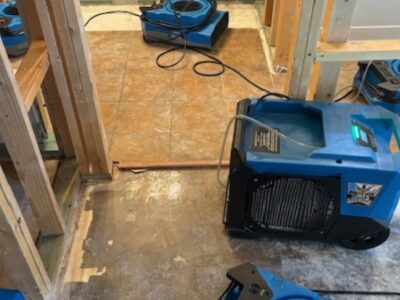
When a leak is suspected, swift action is paramount in minimizing damage and addressing the problem before it escalates. The first steps include shutting off the water supply immediately; this can prevent further wastage and limit additional damage. If the leak is originating from exposed plumbing, such as a visible pipe, further evaluation might yield valuable insights into the issue’s severity. In instances where water has pooled or damages have begun to manifest, it is critical to avoid using electrical outlets near the affected area, as this may lead to electrical hazards. Homeowners should document the damage through photographs, as this documentation can assist in potential insurance claims. Setting fans or dehumidifiers to assist in drying out wet areas is crucial in preventing mold growth if water has accumulated. Remaining calm yet proactive during this initial phase can greatly influence the long-term outcomes of the situation.
Repairing the Damage: Choosing the Right Solutions for Your Home
After taking initial actions, homeowners are faced with the task of repairing the damage caused by the leak. The appropriate solution largely depends on the extent and location of the leak. In minor cases, sealing leaks with tape or caulking might suffice, while more significant issues will necessitate replacing pipes, fittings, or even entire sections of plumbing. Homeowners should consider the long-term implications of their repair choices; opting for higher quality materials and professional help can mitigate future risks. When working with a professional plumber or contractor, it is important to obtain a detailed assessment of the damage and potential solutions so that informed decisions can be made. Understanding the various options available, along with their costs and impact, equips homeowners to take charge of the damage recovery process and safeguard against potential future issues.
Learning from Experience: Transforming Leaks Into Lessons for the Future
Once the immediate needs of addressing a leak have passed, it is vital to reflect on the situation to foster a culture of prevention moving forward. Homeowners can take stock of their experiences by keeping a log of leaks, detailing when and where they occurred, the responses taken, and effective solutions employed. Over time, this log can provide insights into patterns of plumbing failures or systemic problems, acting as a diagnostic tool for future issues. Sharing this knowledge and experience with family members or others can empower a proactive mindset within the household, teaching others to prioritize early detection practices. Ultimately, transforming past leak incidents into valuable lessons can foster resilience within the home and create a more robust approach to plumbing management, ensuring fewer surprises as time goes on.
FAQ
Question: How can I proactively monitor my plumbing systems for leaks? – Regular inspections, awareness of water bill fluctuations, and using modern leak detection technologies can help homeowners actively monitor plumbing systems to identify potential leaks early.
Question: What are the best practices for seasonal plumbing maintenance? – Seasonal plumbing maintenance includes draining outdoor hoses before winter, inspecting plumbing for wear and tear in spring, and checking roofs and gutters for water buildup during summer.
Question: How does mold relate to water leaks? – Mold thrives in damp environments caused by water leaks; thus, addressing leaks promptly is critical to prevent mold growth, which can pose health risks to occupants.
Question: Are there specific leak detection technologies I can use at home? – Homeowners can utilize smart leak detection systems, acoustic sensors, and infrared cameras for effective monitoring and early detection of leaks.
Question: What signs indicate the need for a professional plumber? – Persistent leaks, difficulty accessing pipes, or more complex plumbing issues should prompt homeowners to call a professional to avoid further damage.
Question: How can I incorporate water-saving techniques to reduce leak risks? – Installing low-flow fixtures, fixing existing leaks, and using water-efficient appliances can reduce overall water usage while minimizing stress on plumbing systems, thus reducing leak risks.
Question: What documentation should I keep for insurance claims related to leaks? – Homeowners should document damage with photographs, keep records of repair actions, and maintain maintenance logs to support insurance claims related to water damage.
Question: How can I encourage my family to be proactive about leak detection? – Share experiences regarding past leaks and educate family members on recognizing signs of leaks to foster a culture of vigilance and proactive plumbing management at home.
Useful Resources
- Environmental Protection Agency
- AARP – Home improvement & Maintenance resources
- National Geographic – Water conservation articles
- WikiHow – Home repair & maintenance guides
- Angie’s List – Professional services & home maintenance reviews
- The Home Depot – DIY projects & home improvement tips
- Consumer Reports – Product reviews for plumbing and home improvement
- Plumber Training – Resources for plumbing education