By
By Winter brings freezing temperatures, icy roads, and unpredictable weather. These conditions place extra stress on your vehicle’s engine, battery, tires, and safety systems. Preparing your car before temperatures drop reduces the risk of breakdowns, improves safety, and helps avoid costly repairs.
This guide outlines practical, field-tested steps to ensure your vehicle performs reliably throughout the cold season.
Why Winter Preparation Matters
Cold weather affects vehicles in several ways:
- Battery power drops significantly in low temperatures
- Engine oil thickens, making starts harder
- Tire pressure decreases as temperatures fall
- Road salt accelerates corrosion
- Visibility reduces due to snow, ice, and fog
Preventive servicing addresses these issues before they become emergencies.
Inspect and Protect the Battery
Car batteries lose strength as temperatures fall. A battery that works fine in autumn can fail suddenly in winter.
Key actions:
- Test battery voltage and cold cranking amps (CCA)
- Clean corrosion from terminals
- Ensure cables are tightly secured
- Replace batteries older than 3–5 years
If your engine cranks slowly in the morning, don’t ignore it. That hesitation often signals reduced battery efficiency.
Switch to Winter-Grade Engine Oil
Oil thickens in cold conditions, making it harder for the engine to circulate lubrication during startup.
Check your owner’s manual for winter viscosity recommendations. Many vehicles benefit from switching to lower-viscosity oil during colder months, which improves cold starts and reduces engine wear.
Check the Cooling System and Antifreeze
Antifreeze does more than prevent freezing. It protects against corrosion and overheating.
What to verify:
- Correct coolant-to-water ratio (usually 50:50)
- No leaks in hoses or radiator
- Proper thermostat operation
Flushing and replacing old coolant ensures optimal freeze protection.
Inspect Tires and Adjust Pressure
Tires are your vehicle’s only contact with the road. Cold weather reduces tire pressure and compromises traction.
Recommended steps:
- Check pressure weekly (pressure drops about 1 PSI for every 10°F decrease)
- Ensure tread depth is at least 4/32” for winter driving
- Consider installing winter tires if you live in heavy snow regions
- Rotate tires for even wear
Winter tires offer improved grip on snow and ice compared to all-season tires.
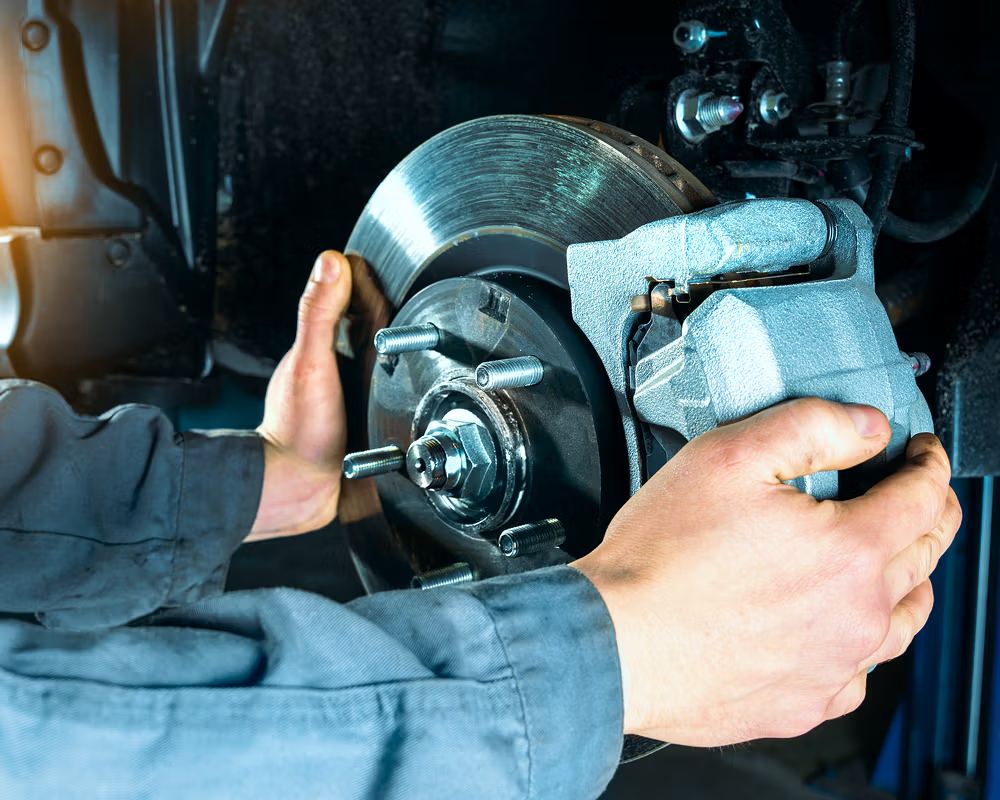
Test the Braking System
Icy roads demand responsive brakes.
Have a technician inspect:
- Brake pads and rotors
- Brake fluid condition
- ABS functionality
Soft or delayed braking response should be addressed immediately.
Replace Wiper Blades and Refill Washer Fluid
Visibility is critical in winter conditions.
- Install winter-rated wiper blades
- Use freeze-resistant washer fluid
- Check defrosters and heating elements
Old wiper blades streak and chatter, reducing visibility during snowstorms.
Examine Lights and Electrical Components
Shorter days mean more night driving. Snowstorms also reduce visibility.
Inspect:
- Headlights (low and high beam)
- Brake lights
- Turn signals
- Hazard lights
Dim lights may indicate charging system issues.
Protect the Exterior and Undercarriage
Road salt and moisture accelerate rust formation.
Preventive measures:
- Wash the vehicle regularly, including undercarriage
- Apply wax before winter begins
- Consider rust-proofing treatment
Keeping salt off metal surfaces extends the life of your vehicle.
Prepare an Emergency Kit
Even well-maintained cars can encounter trouble in severe weather.
Include:
- Jumper cables
- Ice scraper and snow brush
- Blanket and warm clothing
- Flashlight with extra batteries
- First aid kit
- Non-perishable snacks and water
- Tire inflator or sealant
An emergency kit provides security if you’re stranded during a storm.
Don’t Forget Interior Comfort Systems
Heating systems contribute to both comfort and safety.
Check:
- Cabin air filter
- Heater performance
- Seat heaters (if equipped)
- Window defrosters
A properly functioning heater prevents windshield fogging and ensures driver alertness.
Schedule a Professional Winter Inspection
While many checks can be done at home, a professional inspection ensures no critical components are overlooked. Mechanics can test systems with diagnostic equipment and identify potential problems early.
Routine servicing before winter is more affordable than emergency roadside repairs in freezing conditions.
Frequently Asked Questions (FAQ)
1. When should I prepare my car for winter?
Ideally, complete winter preparation in late fall before temperatures consistently drop below freezing.
2. How often should I check tire pressure in winter?
Check at least once a week, as cold temperatures cause noticeable pressure fluctuations.
3. Is antifreeze the same as coolant?
Antifreeze is a concentrated liquid that must be mixed with water to create coolant. Most vehicles use a 50:50 mixture.
4. Do I need winter tires if I already have all-season tires?
All-season tires work moderately well, but winter tires provide superior traction in snow and ice, especially in harsh climates.
5. Why does my car take longer to start in winter?
Cold temperatures reduce battery output and thicken engine oil, both of which make starting more difficult.
6. How can I prevent my doors from freezing shut?
Apply silicone lubricant to door seals and ensure weatherstripping remains clean and dry.
7. Should I warm up my car before driving?
Modern engines require only 30–60 seconds of idling. Gentle driving during the first few minutes is more effective than prolonged idling.
Proper winter preparation improves reliability, enhances safety, and extends vehicle lifespan. Taking preventive action now ensures confident driving throughout the coldest months of the year.