 By
By Keeping a vehicle reliable throughout the year requires more than occasional oil changes. Each season brings different road conditions, temperature shifts, and environmental stressors that affect specific components. A structured, seasonal maintenance checklist helps extend vehicle life, improve safety, and prevent costly repairs.
Below is a practical, season-by-season guide focused on the auto parts that need attention most.
Why Seasonal Maintenance Matters
Temperature fluctuations cause metal expansion and contraction, fluids to thicken or thin, and rubber components to harden or crack. Moisture, salt, pollen, dust, and heat all accelerate wear. Addressing these factors proactively:
- Reduces unexpected breakdowns
- Improves fuel efficiency
- Enhances driving safety
- Protects resale value
Routine inspections cost far less than emergency repairs.
Spring Maintenance Checklist
Winter conditions often leave behind corrosion, worn brakes, and suspension strain. Spring is ideal for assessing damage.
Key Components to Inspect
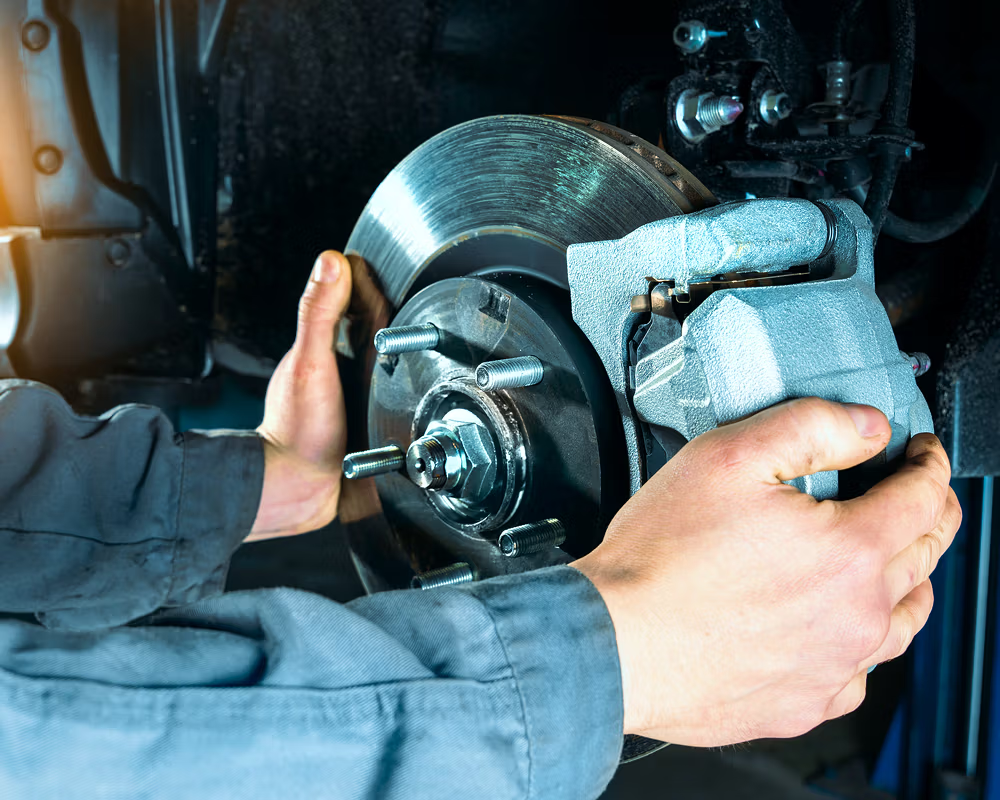
- Brakes: Road salt and moisture increase corrosion. Check pads, rotors, and calipers for wear or rust buildup.
- Suspension System: Potholes can damage struts, shocks, and alignment.
- Undercarriage: Inspect for rust or salt residue. A professional wash can prevent long-term corrosion.
- Battery: Cold temperatures weaken battery performance. Test voltage and clean terminals.
Fluid Check
- Engine oil
- Brake fluid
- Coolant
- Power steering fluid
If fluids appear dark, contaminated, or below recommended levels, replace or top off immediately.
Summer Maintenance Checklist
Heat stresses engines, cooling systems, and tires. Overheating is a common summer issue.
Cooling System Focus
- Radiator and coolant levels: Ensure proper coolant mixture.
- Hoses and belts: Heat can cause cracking or soft spots.
- Thermostat performance: Monitor temperature gauge for irregular readings.
Tire Inspection
Hot pavement increases tire pressure and wear.
- Check tire pressure monthly
- Inspect tread depth
- Rotate tires if needed
Air Conditioning System
Test A/C performance early in the season. Weak airflow or warm air may indicate refrigerant leaks or compressor issues.
Fall Maintenance Checklist
Fall is preparation time for colder months ahead.
Visibility and Lighting
- Replace windshield wiper blades
- Check washer fluid (use freeze-resistant formula)
- Inspect headlights, brake lights, and turn signals
Heating and Defrost System
Ensure the heater and defroster function properly. A failing heater core or blower motor can create safety issues during winter.
Battery and Charging System
Battery performance drops as temperatures fall. Test battery strength and inspect the alternator output.
Winter Maintenance Checklist
Cold weather significantly affects mechanical performance and safety.
Tires and Traction
- Install winter tires if driving in snow-prone regions
- Monitor tire pressure frequently (pressure drops in cold air)
Antifreeze Protection
Ensure coolant contains adequate antifreeze concentration to prevent freezing and engine damage.
Emergency Components
- Keep jumper cables in the vehicle
- Check battery health regularly
- Inspect windshield washer system
Cold starts put extra strain on starters and batteries, so preventive checks are essential.
Year-Round Essentials
Regardless of season, certain parts require consistent monitoring:
- Engine oil and filter
- Air filters (engine and cabin)
- Brake system
- Tire condition
- Belts and hoses
Establishing a maintenance log helps track service intervals and identify recurring issues early.
Seasonal Auto Maintenance FAQ
1. How often should I inspect my vehicle for seasonal changes?
At minimum, inspect your vehicle at the start of each season. However, high-mileage drivers may benefit from quarterly professional inspections.
2. Is seasonal maintenance necessary for newer vehicles?
Yes. Even newer vehicles are affected by temperature changes, road debris, and fluid degradation.
3. Can I perform seasonal checks myself?
Basic inspections like checking tire pressure, fluid levels, and battery terminals can be done at home. Complex systems such as suspension or brake diagnostics should be handled by professionals.
4. What happens if I skip seasonal maintenance?
Skipping inspections increases the risk of breakdowns, reduced efficiency, and long-term damage, especially in extreme climates.
5. Does seasonal maintenance improve fuel economy?
Yes. Proper tire inflation, clean air filters, and well-maintained fluids contribute to better engine efficiency and mileage.
6. Should I switch motor oil types in different seasons?
Some regions with extreme temperature shifts may benefit from seasonal viscosity changes. Always follow manufacturer recommendations.
7. How can I track my seasonal maintenance tasks?
Use a maintenance app, spreadsheet, or physical logbook to record service dates, mileage, and part replacements.
Consistent seasonal care ensures reliable performance, improved safety, and lower ownership costs throughout the year.