 By
By Key Takeaways
Plasma is vital for crucial medical treatments and significantly aids therapies for conditions such as hemophilia and severe burns. Each donation can benefit multiple patients, making individual contributions incredibly impactful.
With over 40% of plasma utilized therapeutically sourced from donations, community involvement in plasma donation efforts has never been more critical. As healthcare resources become scarce, the demand for plasma is steadily increasing.
In Calexico, local hospitals rely heavily on community donations to meet patient requirements, especially during emergencies that necessitate plasma-derived treatments. Engaging in plasma donation actively bolsters the healthcare framework within the community.
Additionally, plasma donation fosters a sense of community by allowing individuals to support one another, ultimately enhancing overall health and wellness. Just one donor can make a life-saving difference within the community each week.
Heartwarming stories from donors highlight the significant impact that plasma donations have on local lives, shining a light on the urgency and importance of higher participation rates in donation programs.
For those new to plasma donation, proper preparation involves hydrating, consuming light meals, and wearing comfortable clothing—all measures that can ease anxiety and lead to a more favorable experience during the process.
Widespread misconceptions about plasma donation persist, particularly fears surrounding pain and eligibility. Contrary to popular belief, most donors endure minimal discomfort, and nearly anyone can donate, provided they meet basic health standards. Addressing these facts can encourage more individuals to engage in this essential service for their community.
The Critical Role of Plasma Donation in Healthcare
Understanding the Life-Saving Benefits of Plasma
The liquid component of blood, plasma, is essential for a variety of therapeutic uses. It contains crucial proteins that facilitate blood clotting, support immune responses, and contribute to overall bodily function. When individuals donate plasma, they provide a resource that can treat conditions like hemophilia, severe burns, and liver diseases. Research indicates that a single donation can assist multiple patients, often transforming lives in ways that might not be immediately recognized.
Studies reveal the discrepancy in plasma supply versus demand. More than 40% of the plasma used for therapeutic purposes is sourced from donations, underscoring the significant role that each donor plays. This is critical because healthcare institutions face ongoing resource shortages, and the need for plasma is climbing rapidly.
How Plasma Donation Supports Local Medical Needs
In Calexico, maintaining a strong link between healthcare providers and plasma donors is crucial. Community donations are essential for local hospitals to effectively meet patient needs. When a plasma center in Calexico operates at peak capacity, it positions the district to appropriately address medical emergencies, thereby reinforcing the overall healthcare ecosystem.
Without the dedicated efforts of donors, many hospitals would face challenges in delivering adequate treatment. For instance, plasma-derived therapies are vital for burn patients requiring specialized care. Through plasma donation, individuals not only support the local economy but also play a key role in saving lives. The link between the community’s generosity and the operational capabilities of its medical facilities is undeniable.
Community Impact: Why Donating Plasma Matters
Connecting Generosity with Immediate Community Care
Plasma donation transcends being a mere medical procedure; it’s a profound expression of community spirit. When Calexico residents choose to donate, they’re not just partaking in healthcare; they’re making a tangible difference. This motivation to give back resonates deeply within the community, which strives to uplift each other.
Think about it: one donor can help save lives weekly. This ripple effect often extends beyond the immediate area of the plasma center, impacting families and friends who might benefit from plasma therapies. Seeing the community unite in support of local hospitals elevates the overall welfare of the region.
Stories of Lives Changed Through Plasma Donation
Accounts from donors frequently share touching narratives of how plasma donations have directly impacted individuals in their community. Consider the example of a child diagnosed with a rare blood disorder. Thanks to local donations and the plasma-derived treatments they received, their condition improved significantly, enabling a healthier life. These stories underscore the remarkable potential of plasma donation.
These narratives are more than just heartwarming tales; they offer compelling evidence of the difference that plasma donations can make. Many successful treatments hinge on the immediate availability of plasma. Linking personal stories to the wider context of plasma donation amplifies its importance, motivating more individuals to partake in this transformative act.
What to Expect When Donating Plasma at ABO Plasma
A Step-by-Step Guide to the Donation Process
Familiarizing oneself with the donation process can pave the way for a pleasant experience. Here’s what potential donors might encounter upon arriving at ABO Plasma:
- Registration: New donors will complete a questionnaire and present identification.
- Health Screening: Trained staff will perform a brief health assessment with checks for blood pressure and temperature.
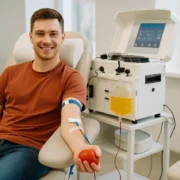
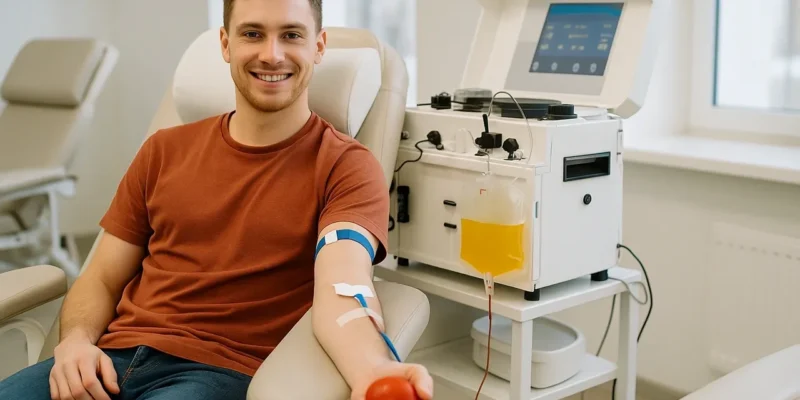
- Donation: The plasma donation itself usually takes about 45 minutes to one hour. Donors can relax as a sterile needle collects plasma through a vein.
- Post-Donation Care: Following the donation, individuals are monitored briefly and given refreshments to help restore energy levels.
- Awaiting Processing: After the donation, the plasma undergoes testing and processing before being prepared for use.
This structured method ensures that donors feel safe and appreciated throughout their time at the donation center. Each step prioritizes the donor’s comfort and security.
Preparation Tips for First-Time Donors
Nervousness or apprehension is common for first-time donors. However, a bit of preparation can significantly enhance the experience. Here are some practical tips to ensure a smooth donation:
- Hydrate: Drinking plenty of water before the appointment makes veins easier to access.
- Have a light meal: Consuming something light helps avoid dizziness during and after the donation.
- Avoid caffeine: Limiting caffeine is advisable since it can cause jitters or lead to dehydration.
- Wear comfortable clothing: Attire that allows easy access to arms facilitates the donation process.
- Bring a friend: Having a supportive friend accompany can alleviate any nerves.
By adhering to these tips, first-time donors can arrive at the plasma center feeling ready and confident. This journey brings them one step closer to making a meaningful impact on their community.
Myths and Facts About Plasma Donation Unveiled
Debunking Common Misconceptions About Donating Plasma
Despite the evident advantages of plasma donation, numerous myths linger that might discourage potential donors. It’s essential to confront these misconceptions. For example, many believe that donating plasma is painful. The reality is that while sensations may differ, most donors report only slight discomfort—far outweighed by the immense value of their contributions.
Another misconception is that only certain demographics can donate. In truth, nearly anyone can participate, as long as they meet the basic health requirements. Factors such as age, weight, and overall health come into play, but restrictions aren’t as stringent as many assume. Community education on these matters could substantially increase donor participation.
The Truth Behind Safety and Photosensitivity in Plasma Donation
Lastly, potential donors might express concerns regarding safety and side effects, particularly about photosensitivity. It’s vital to clarify that plasma donation is generally safe when conducted in line with strict health protocols. Experts suggest avoiding direct sunlight for a day after donation to limit potential discomfort, yet serious reactions are infrequent.
The safety of plasma donation is taken seriously; protocols ensure the well-being of each donor.
Grasping these truths enables individuals to make informed choices. Every donor plays a significant role in a compassionate mission, ensuring that lifesaving supplies are readily available to those in need.
Plasma donation in Calexico stands as a critical community initiative with profound, life-altering effects. The benefits extend beyond the immediate and connect each donor to those depending on these donations for survival. At the heart of this effort is ABO Plasma, leading the charge in guiding the community in its life-saving mission. The importance of plasma donation cannot be overstated, and with greater awareness, participation is bound to strengthen.
FAQ
What health criteria must potential donors meet to donate plasma?
Eligible donors typically need to be between 18 and 69 years old, weigh at least 110 pounds, and be in good general health. Specific health conditions, medications, or recent travel may affect eligibility, but most individuals find they can take part without issues.
How often can someone donate plasma?
Generally, donors can donate plasma every 28 days, allowing sufficient time for their bodies to restore the plasma supply. Adhering to this schedule supports both donor health and maintains the plasma supply chain for patients in need.
Are there any immediate benefits for donors after donating plasma?
Yes, many donors say they feel a sense of fulfillment after contributing to a life-saving cause. Additionally, certain plasma donation centers provide incentives or compensation, rewarding donors for their service with immediate financial benefits.
How does plasma donation differ from whole blood donation?
While both involve drawing blood, plasma donation specifically extracts the liquid portion, keeping red and white blood cells intact. This method allows plasma donors to give more frequently than those donating whole blood, who must wait much longer to replenish their blood supply.
What types of medical treatments rely on donated plasma?
Donated plasma is essential for various treatments, including therapies for hemophilia, immunodeficiencies, and burn recovery. It is also employed in the creation of clotting factors and immune globulins, showcasing its broad medical relevance.
How can the community increase participation in plasma donation?
Raising awareness about the significance of plasma donation, confronting myths, and offering educational resources can encourage more community members to engage. Sharing compelling personal stories of lives changed through plasma can also motivate others to join in.
What should one expect in terms of aftercare post-donation?
After donating, individuals are monitored for a short time to ensure their comfort. They are advised to rest, stay hydrated, and consume snacks provided by the donation center to restore energy and to ward off any post-donation fatigue.
Can individuals donate plasma if they have a chronic illness?
This often depends on the specific condition and how well it’s managed. Many individuals with controlled chronic illnesses may still be eligible to donate, but it’s essential for potential donors to consult medical professionals or donation staff to evaluate their particular circumstances.
Useful Resources
- American Red Cross– Comprehensive information on blood and plasma donation.
- World Plasma Organization– Global insights and educational resources on plasma donation and its significance.
- Plasma Alliance– Advocacy and educational materials regarding plasma donation and its impact on communities.
- Better Business Bureau– Guidance on choosing reputable plasma donation centers and organizations.
- Centers for Disease Control and Prevention (CDC)– Health guidelines and information about blood and plasma donation.
- S. Food and Drug Administration (FDA)– Regulations and safety measures related to blood and plasma donation.
- Healthline– Articles covering health benefits, myths, and facts surrounding plasma donation.
- Mayo Clinic– Insights on medical uses for plasma, health requirements, and the donation process.